

Automating energy procurement with AI to cut costs by up to 15%, streamline processes, and make sourcing more sustainable

The Problem
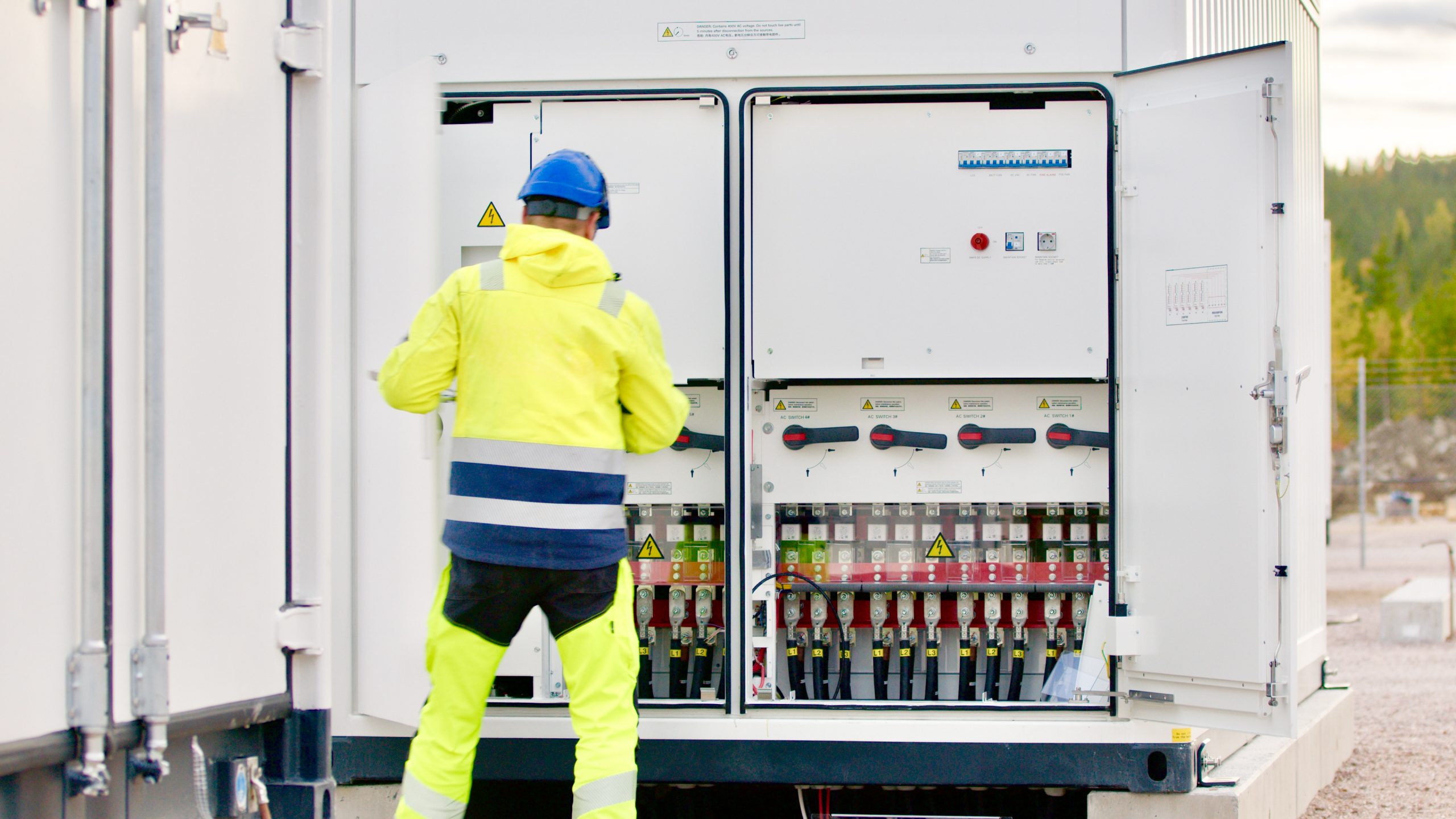
Most depots were never built for high-power charging. Grid connection upgrades vary by location and take months to years; planning, permits, and technical assessments are fragmented; and the site buildout requires upfront capex that diesel operations largely avoid.Even once chargers are in, efficient operations require new capabilities: charge scheduling, peak-load management to avoid demand charges, and active electricity procurement. Where the grid is constrained, chargers typically need BESS to buffer peaks, enable behind-the-meter optimization, and defer or right-size grid upgrades.After years of waiting for first-generation electric trucks to reach serial production and with significant declines in battery prices, the primary constraint for operators is no longer vehicle availability but infrastructure and operations.Many fleets run small pilots, encounter infrastructure and operational frictions, and postpone scaling up. Without easier site delivery and operations, and the flexibility to transition the fleet to their own needs and timeline, operators will keep using diesel trucks and won't profit from the lower cost of ownership that comes with new electric trucks.
The Solution
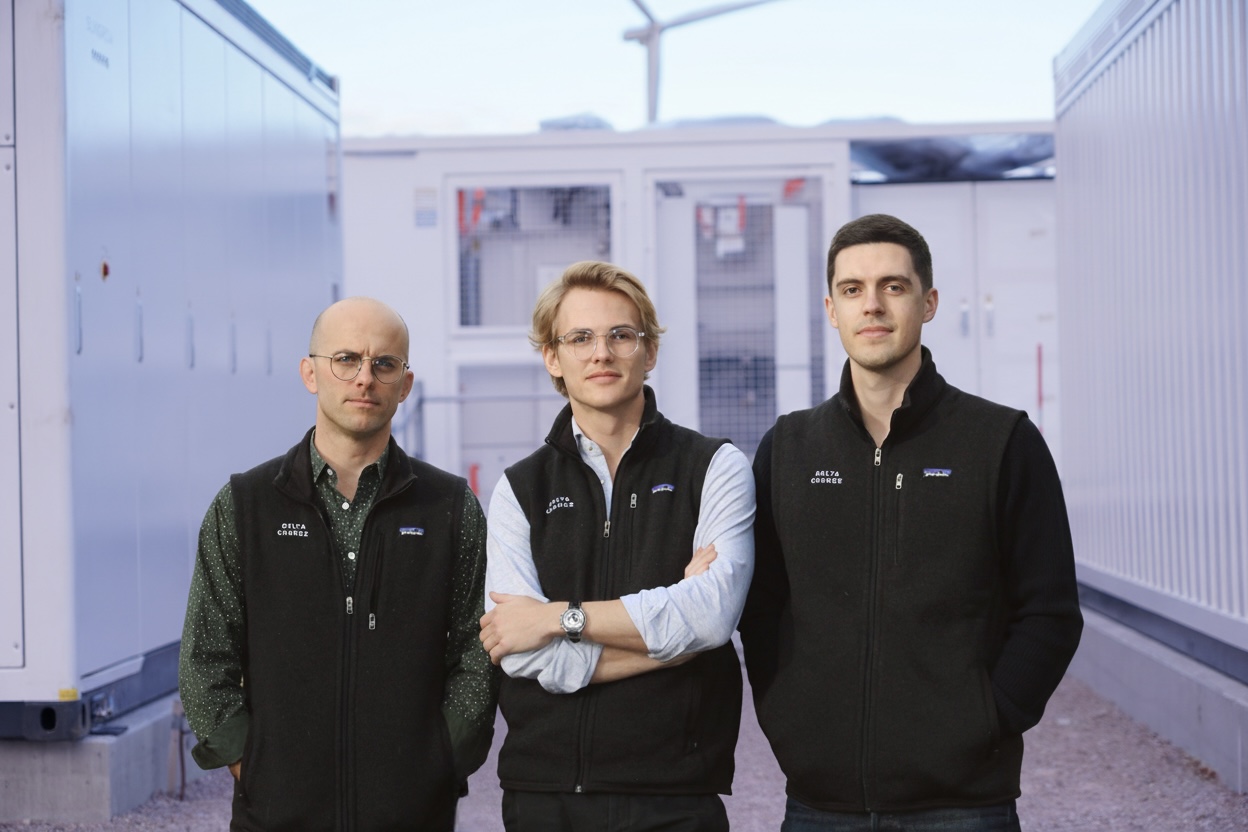
Delta Charge provides depot electrification as a service: planning, construction, financing, and long-term management of charging infrastructure for electric trucks and vans, allowing operators to transition on their own terms and timelines.The company develops, builds, and operates charging sites through dedicated SPV structures. Fleet operators pay predictable fixed fees without financing chargers or BESS, and with the peace of mind of having electricity to power the fleet at fixed prices—keeping their fleet business predictable and not introducing any cost risk.For operators, this removes capex and technical complexity. For each site, Delta delivers a fully managed charging ecosystem designed around real-world fleet operations - dwell times, route patterns, battery sizes, and power needs. Energy management keeps electricity costs under control and avoids expensive peak loads. The result is a scalable, low-risk path to large-scale fleet electrification.
Why we invested
Heavy-duty logistics is one of the hardest segments to electrify. Yet cost considerations in a low margin business, let fleet operators think about switching to electric fleets, as total cost of ownership has become attractive.Delta Charge’s model addresses today's bottleneck: infrastructure rollout and ongoing performance, not hardware procurement. They deliberately target high-utilisation depots - strategically located hub sites with durable fleet presence - where future charging demand is most likely to be sustained. Their SPV structure makes deployment financeable, and their long-term service contracts create locked-in recurring revenue. Most importantly, they are solving the practical problems that fleets care about: uptime, power availability, predictable cost, and reliable schedules.The founding team combines deep execution experience, a solid understanding of energy markets, and strong supply relationships to procure hardware at best-in-class prices. Early traction with large logistics players validates demand for a partner that takes full responsibility for electrification, not just charger installation. With that, we believe, the company is positioned to become a key enabler of fleet electrification across the continent.

The Vireo Electrification Fund Portfolio

Battery intelligence platform

The operating system for renewable energy

Infrastructure for global carbon pricing

Software solution for the hydrogen economy to certify supply chains

Helping homes and businesses switch to affordable, clean energy
Turnkey depot charging hubs with integrated battery storage, to enable heavy-duty fleets to electrify cost-effectively.

End-to-end solution for transforming building energy performance

PPA marketplace for small and medium-sized enterprise

Smart Energy-as-a-Service for SMEs — batteries + green power in harmony.

Flexibility-as-a-Service for Utilities and Grid Operators

Smart charging solutions for EV-chargers and backend providers

Applying AI to increase the efficiency of complex local energy systems

Lighting Management & Maintenance Platform

Heat pump installation company with local expertise and centralized processes

Open-source e-mobility charging software

Electrification and Energy Optimization as a Service to Commercial Building Owners

Scaling BESS implementation for C&I clients

Helping heat pump installers with planning, quoting, and project execution to reduce costs and scale their operations

Intelligent fleet electrification planning, operation and reporting

Smart AI energy procurement for companies — cut costs, cut complexity