


Einklang

Smart Energy-as-a-Service for SMEs — batteries + green power in harmony.
The Problem
Across Europe, businesses are increasingly squeezed by high electricity prices, extreme price volatility, rising grid fees, and expensive peak loads. This is especially painful for the German Mittelstand, which consumes more than half of the country’s electricity and is seeing energy costs turn into a direct competitiveness risk.
At the same time, a major opportunity is emerging: new regulatory frameworks allow multi-use battery storage systems to be operated grid-fee-exempt when used in a grid-supportive way. This creates a pathway for companies to use flexibility economically — but until now, it has been difficult to access in a simple and reliable way.

The Solution
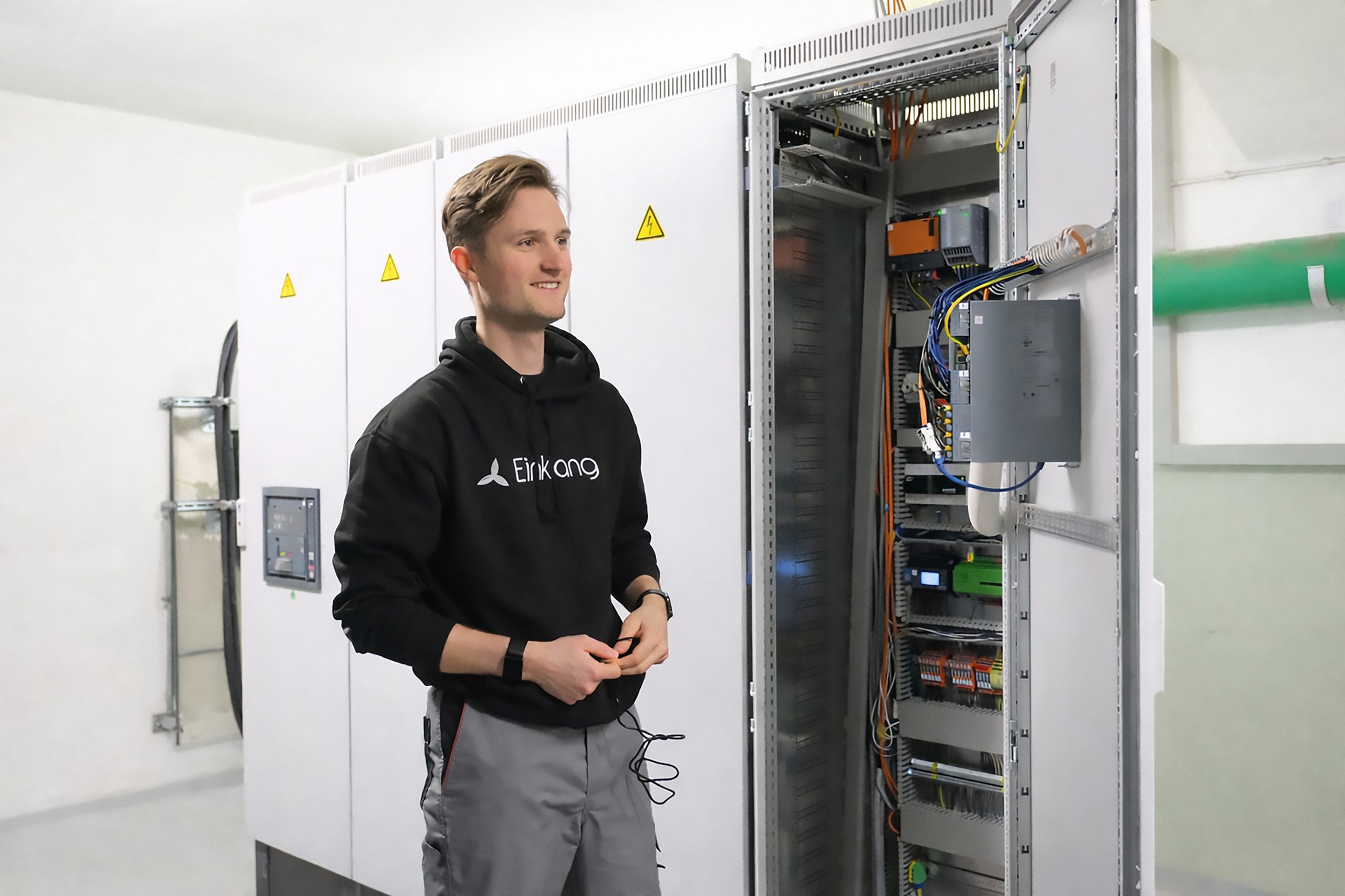
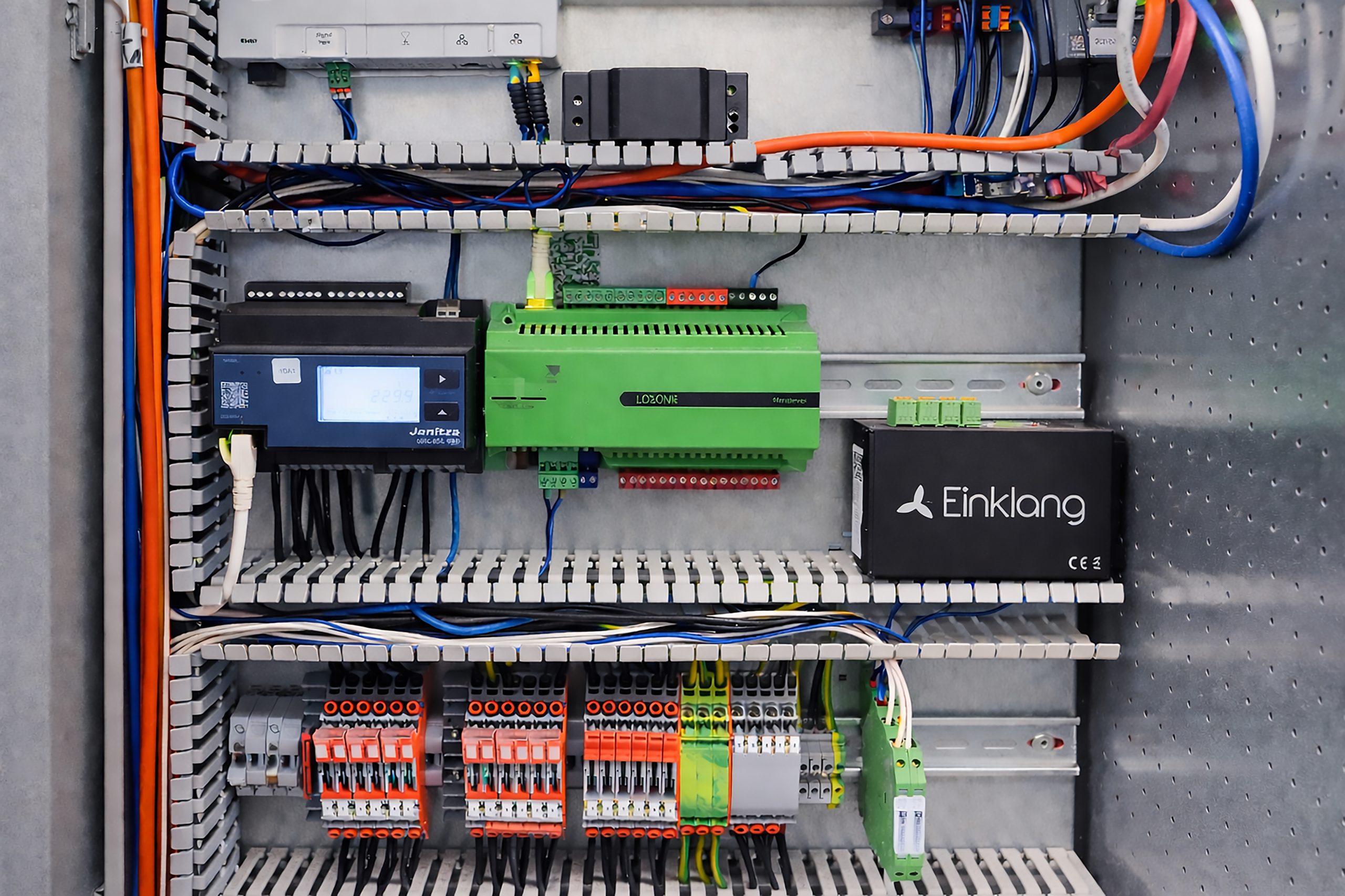
Einklang makes flexibility practical for commercial and industrial customers through an integrated system combining:
The system automatically shifts electricity usage into the cheapest and most renewable hours, without requiring disruptive changes to existing operations. This reduces electricity costs, optimises the use of on-site PV generation, and provides a more stable and predictable energy supply.
Why we invested
Flexible energy systems behind-the-meter are becoming a central growth market of the energy transition. With the right regulatory tailwinds now in place, the ability to combine storage, software, and supply into one economic system is turning into a decisive competitive advantage for industrial and commercial customers.
Einklang brings together deep energy expertise and strong execution experience, with founders who previously built and operated industrial storage and energy system platforms at Voltfang and Impuls. We believe the team, technology, and timing are exceptionally well aligned to shape this market at scale.
Eltex
Helping homes and businesses switch to affordable, clean energy

The Problem
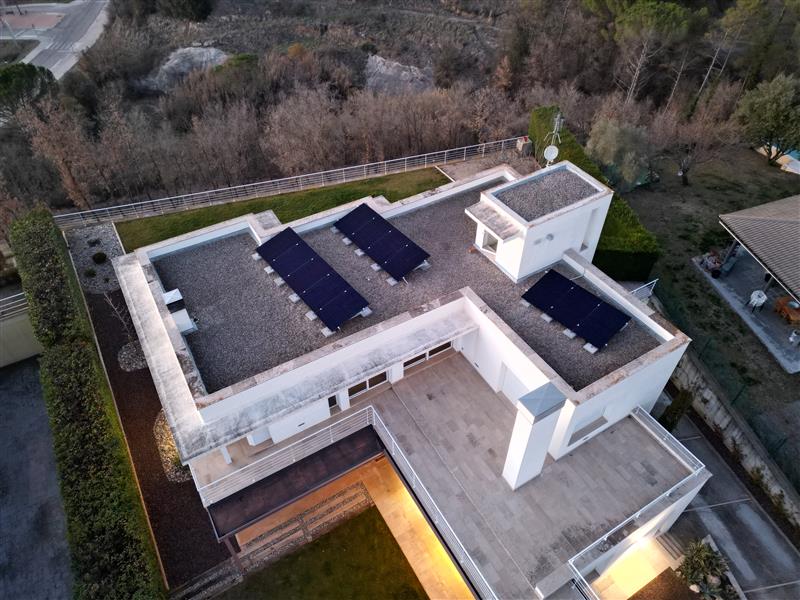
Residential electrification across Southern Europe remains early relative to its long-term potential. Spain and Italy combine strong solar resources, large owner-occupied housing stocks, and millions of homes still dependent on fossil-based heating. While rooftop solar adoption has grown steadily, penetration remains modest compared to national targets and the size of the housing base.
In Spain, rooftop self-consumption exceeded 8 GW by the end of 2024, with national plans targeting around 19 GW by 2030, leaving a significant share of the build-out ahead. Italy reached roughly 37 GW of cumulative solar capacity, yet residential adoption remains uneven, and electrification beyond solar is still at an early stage. Heat pump uptake, while among the highest in Europe in absolute terms, represents only a small fraction of installed heating systems.
The constraint is not demand, but execution. Residential electrification is delivered through a fragmented installer base operating with limited digital tools. Homeowners face complexity around feasibility, pricing, financing, and coordination, while installers struggle to scale reliably beyond local markets. As electrification shifts toward whole-home solutions, these coordination challenges become the primary bottleneck.

The Solution
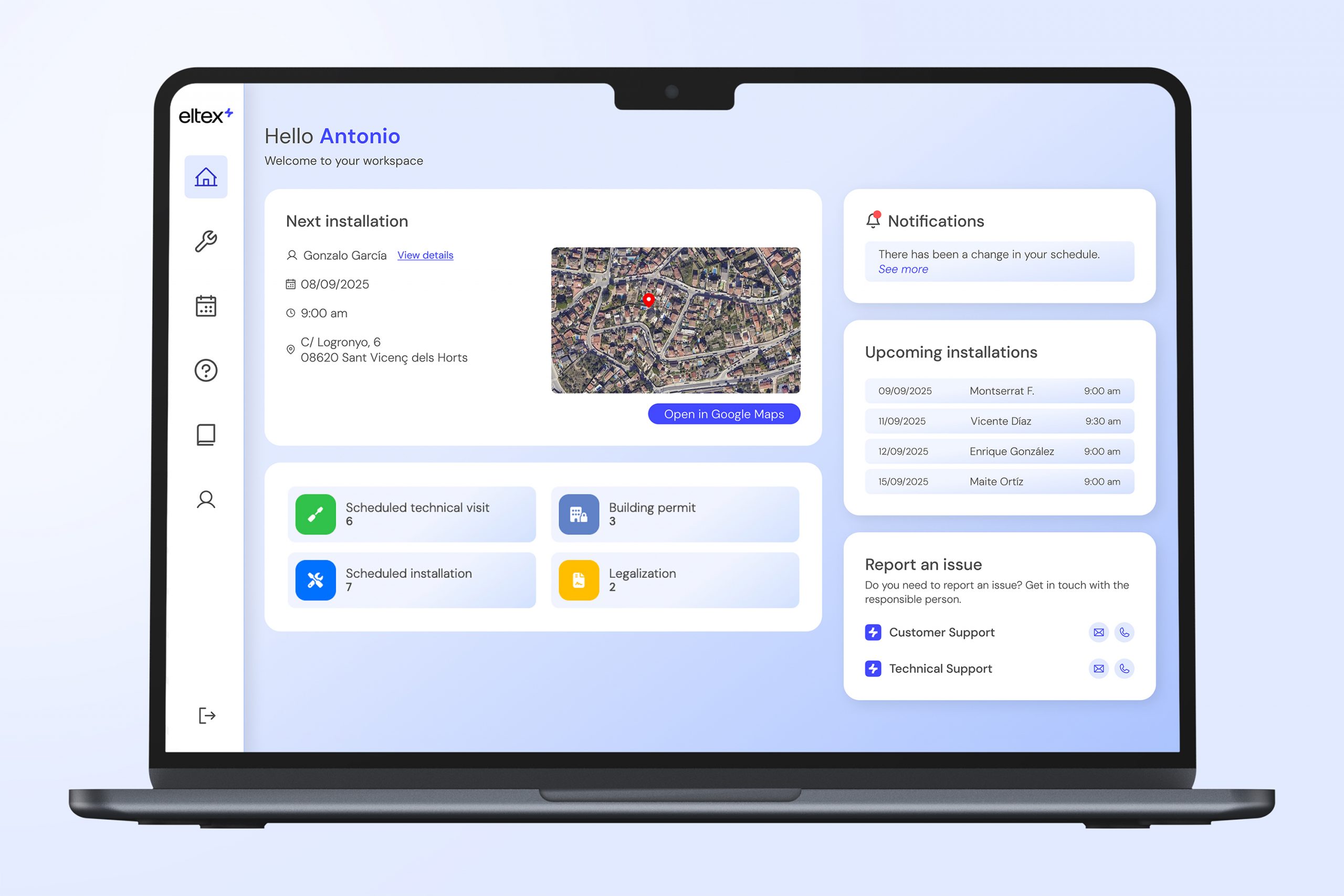
Eltex addresses this execution gap by owning and orchestrating the full residential electrification journey through a single technology and operations platform.
Founded in Spain in 2021, Eltex connects lead qualification, feasibility checks, pricing, financing, logistics, and certified independent installers into one coordinated workflow.
Homeowners benefit from clearer pricing and more predictable timelines, while installers can focus on execution rather than sales and administration.
Eltex centrally procures hardware to maintain quality and pricing control, while shipping materials directly to installers or sites, avoiding inventory complexity. Installations are delivered by a growing network of certified partners following standardized processes, with financing embedded directly into the sales flow. Solar was the entry point, with heat pumps, batteries, and EV chargers now fully integrated as part of a broader whole-home electrification offering.
Why we invested
We invested in Eltex because the team has built a platform that addresses the core execution challenge in residential electrification: reliably delivering complex, multi-technology projects at scale. The company was bootstrapped to double-digit million revenue in 2025 and has proven resilient to subsidy rollbacks, demonstrating strong capital discipline and operational control.
Eltex owns the customer journey while operating an asset-light installer network, allowing it to scale without heavy fixed costs or balance-sheet risk. As residential electrification shifts from single-product installs toward bundled solutions that combine solar, storage, heating, charging, and financing, value increasingly accrues to platforms that can coordinate delivery and installer capacity end-to-end. Eltex’s execution-first approach and standardized operating model position the company to become a durable infrastructure layer for home electrification across Southern Europe.
Delta Charge
Automating energy procurement with AI to cut costs by up to 15%, streamline processes, and make sourcing more sustainable

The Problem
Most depots were never built for high-power charging. Grid connection upgrades vary by location and take months to years; planning, permits, and technical assessments are fragmented; and the site buildout requires upfront capex that diesel operations largely avoid.
Even once chargers are in, efficient operations require new capabilities: charge scheduling, peak-load management to avoid demand charges, and active electricity procurement. Where the grid is constrained, chargers typically need BESS to buffer peaks, enable behind-the-meter optimization, and defer or right-size grid upgrades.
After years of waiting for first-generation electric trucks to reach serial production and with significant declines in battery prices, the primary constraint for operators is no longer vehicle availability but infrastructure and operations.
Many fleets run small pilots, encounter infrastructure and operational frictions, and postpone scaling up. Without easier site delivery and operations, and the flexibility to transition the fleet to their own needs and timeline, operators will keep using diesel trucks and won't profit from the lower cost of ownership that comes with new electric trucks.
The Solution
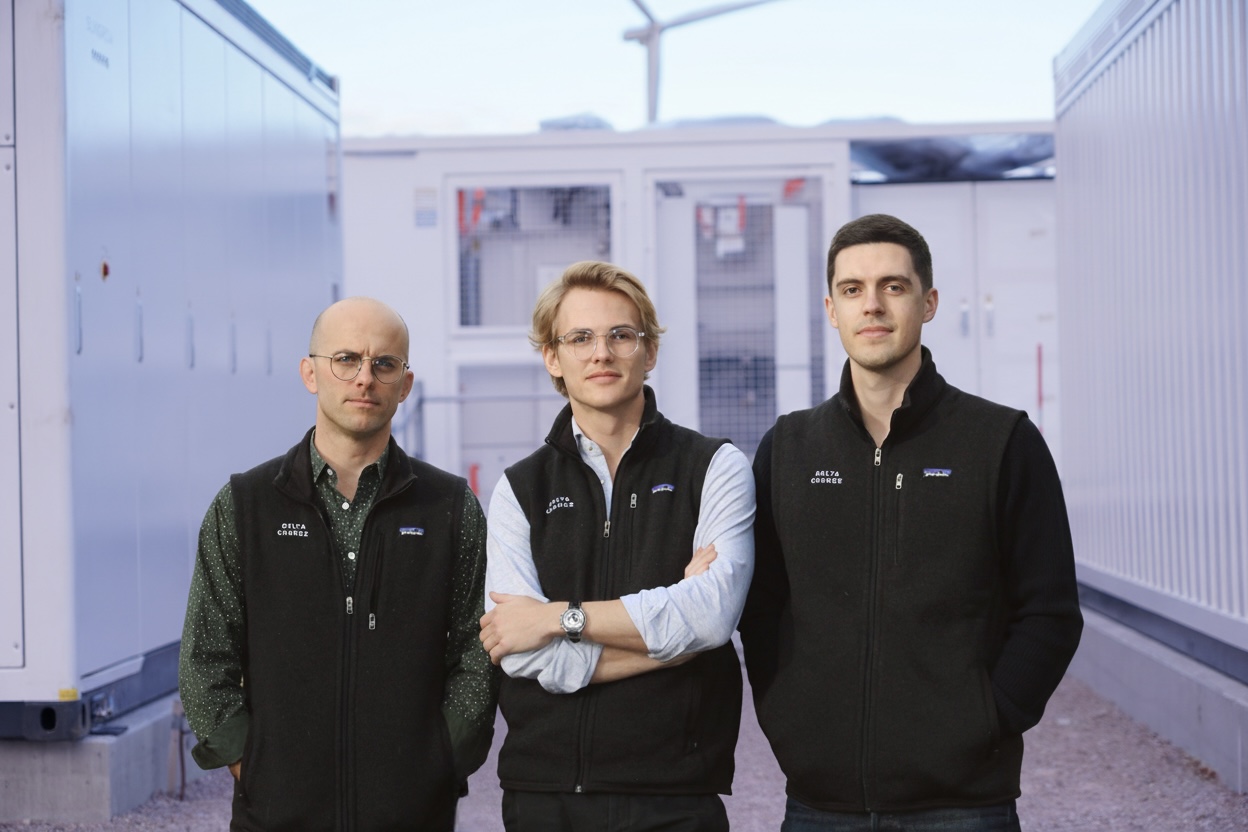
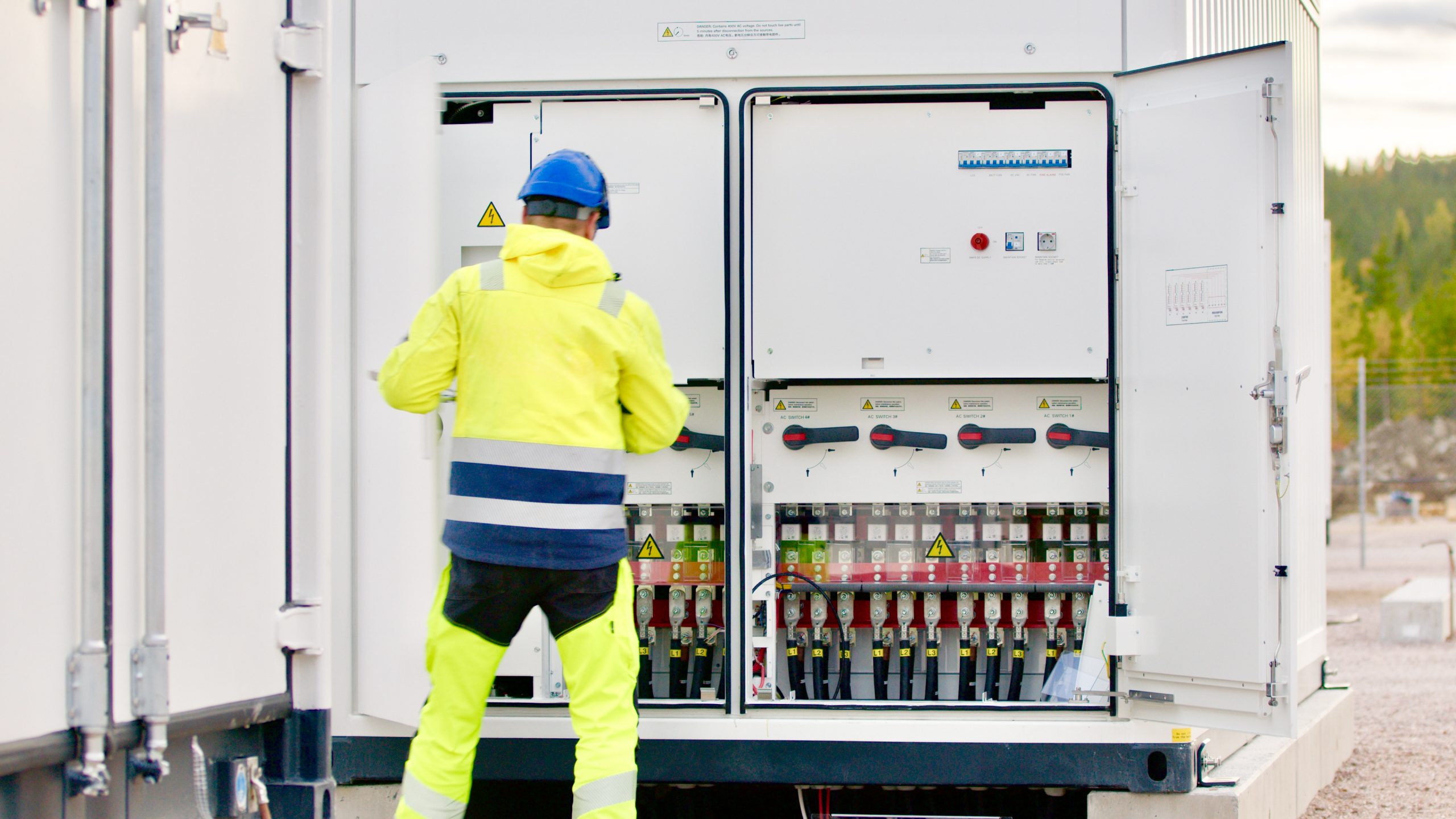
Delta Charge provides depot electrification as a service: planning, construction, financing, and long-term management of charging infrastructure for electric trucks and vans, allowing operators to transition on their own terms and timelines.
The company develops, builds, and operates charging sites through dedicated SPV structures. Fleet operators pay predictable fixed fees without financing chargers or BESS, and with the peace of mind of having electricity to power the fleet at fixed prices—keeping their fleet business predictable and not introducing any cost risk.
For operators, this removes capex and technical complexity. For each site, Delta delivers a fully managed charging ecosystem designed around real-world fleet operations - dwell times, route patterns, battery sizes, and power needs. Energy management keeps electricity costs under control and avoids expensive peak loads. The result is a scalable, low-risk path to large-scale fleet electrification.
Why we invested
Heavy-duty logistics is one of the hardest segments to electrify. Yet cost considerations in a low margin business, let fleet operators think about switching to electric fleets, as total cost of ownership has become attractive.
Delta Charge’s model addresses today's bottleneck: infrastructure rollout and ongoing performance, not hardware procurement. They deliberately target high-utilisation depots - strategically located hub sites with durable fleet presence - where future charging demand is most likely to be sustained. Their SPV structure makes deployment financeable, and their long-term service contracts create locked-in recurring revenue. Most importantly, they are solving the practical problems that fleets care about: uptime, power availability, predictable cost, and reliable schedules.
The founding team combines deep execution experience, a solid understanding of energy markets, and strong supply relationships to procure hardware at best-in-class prices. Early traction with large logistics players validates demand for a partner that takes full responsibility for electrification, not just charger installation. With that, we believe, the company is positioned to become a key enabler of fleet electrification across the continent.

Spruce
Helping heat pump installers with planning, quoting, and project execution to reduce costs and scale their operations

The Problem
The UK has set ambitious targets for heat pump adoption, but the industry is still far off track. While public interest is growing and subsidy schemes are in place, the installation capacity on the ground can’t keep up. Demand isn’t the issue. The real bottleneck is execution.
Most installers still run their businesses with a mix of Excel spreadsheets, phone calls, PDFs, and disconnected quoting tools. Planning is manual, communication is fragmented, and compliance steps are handled separately, if at all. A standard heat pump installation can take several working days and often requires multiple visits, compared to one or two days for a gas boiler replacement.
This creates real constraints: longer project timelines, stretched team capacity, and tighter margins. Customers wait weeks for quotes and months for installs. And in emergencies -when a boiler fails, a heat pump often isn’t even considered. It simply takes too long to deliver. Unless the day-to-day operations of installers are digitised and streamlined, the heat pump rollout won’t scale, regardless of how strong the policy support may be.

The Solution
Spruce provides a purpose-built SaaS platform for heat pump installers. From initial lead qualification and site assessment to quoting, project planning, and documentation, the platform digitises and streamlines the entire install journey.
The software helps small and mid-sized HVAC companies bring structure to their operations; reducing admin time, standardising planning, and cutting down on costly errors. Features like heat loss calculators, template-driven quoting, and integrated documentation make the process faster and more predictable.
This matters, because admin and quoting are key friction points: nearly half of UK heat pump customers drop out after receiving a quote, and many installers report spending more time on paperwork than on actual installs. With Spruce, teams can complete more jobs per month without increasing headcount, while improving conversion rates and customer experience.

Why we invested
The UK needs to increase heat pump installations from around 60,000 per year today to 600,000 by 2028. Achieving a significant growth in installations won’t be possible through training alone. While workforce expansion is necessary, the bigger lever lies in improving productivity and reducing friction across the installer workflow.
Spruce addresses exactly this bottleneck. The team understands the operational realities of the UK HVAC market and has built a product that fits how installers actually work, not how policymakers assume they do. Their solution tackles key blockers: inconsistent quoting, fragmented communication, manual documentation, and long lead times.
From the beginning we were convinced by the strength of the founding team. They combine hands-on engineering experience with a track record in scaling digital products, a critical mix for solving problems at the intersection of software and skilled trades. Their approach is pragmatic, execution-driven, and totally focused on the customer.
Beyond the UK, the opportunity is even larger. Most European countries face the same challenge: high heat pump adoption targets, but fragmented installer landscapes and operational inefficiencies. As governments across the EU shift focus from incentives to execution, the need for scalable installer infrastructure becomes a priority.

nuuEnergy
Heat pump installation company with local expertise and centralized processes

The Problem
Decarbonising residential heating represents one of the most significant and pressing challenges that Europe currently faces in order to successfully achieve its ambitious net zero emission targets. With more than 90% of Europe's substantial 198 million households still heavily relying on traditional carbon-emitting heating systems, such as those primarily fuelled by gas, oil or coal, the necessary transition to sustainable renewable alternatives is both critical and remarkably complex. Although heat pumps are widely recognized as the most efficient and effective renewable heating solution available, their widespread adoption across the continent is being significantly held back by a persistent shortage of adequate installation capacity. The industry's continued reliance on a relatively small number of highly qualified local blue-collar workers substantially restricts the overall deployment and consistently provides an unreliable and increasingly costly installation journey for end customers.

The Solution
nuuEnergy effectively addresses the persistent issue of installation bottlenecks by combining centralised operations with local craftsmanship expertise. Unlike its direct competitors, nuuEnergy's local installation hubs serve as direct, trusted customer contact points, while all sales-related activities are systematically carried out centrally to boost operational efficiency and ensure both the speed and quality of installations. The company's hybrid approach successfully preserves the personal touch and technical expertise of regional craftsmen while leveraging the considerable advantages of advanced digitalised processes and larger-scale operations. Currently operating across key German markets, including Hamburg and Munich, nuuEnergy strategically plans to expand nationwide by franchising its proven business concept across major regional hubs in the country.

Why we invested
We invested in nuuEnergy because it successfully addresses the skilled labour shortage that has constrained heat pump adoption, thereby turning this market constraint into a competitive advantage. We strongly believe that quality is essential in convincing customers to upgrade to more expensive heating systems, and nuuEnergy's emphasis on local craftsmanship ensures the high standards necessary to earn customer trust. The team has proven to speak and understand the language of installers and identify where processes can be optimized and where the customer wants to trust the expertise of their local partner. With Germany targeting the installation of millions of renewable heating systems this decade, nuuEnergy is well placed to expand its operating model through a network of franchise partners.
Reshape Energy
End-to-end solution for transforming building energy performance

The Problem
Real estate owners, including both multi-family residential and commercial real estate, struggle with increasing regulatory pressure, inefficient retrofit solutions, and rising energy costs for their tenants. The market is fragmented, with slow and uncoordinated service providers that make energy optimization renovations complex and expensive. Many projects stall due to financing challenges and a lack of technical expertise. As a result, energy inefficiency persists, lowering property values and increasing operational costs.

The Solution
Reshape Energy is building a next-generation energy services platform to simplify and streamline building energy retrofits. Offering a digitally-enabled, holistic solution, Reshape addresses the full spectrum of customer needs—from initial energy assessment and contracting to financing, implementation, optimisation, and ongoing management. The platform integrates technologies such as solar installations, heat pumps, battery storage, IoT-based energy management, and innovative financing options, significantly reducing upfront costs and enabling efficient, strategic energy management.
Reshape transforms energy management from a cost center into a strategic asset, increasing property values and reducing operational expenses for building owners in both residential and commercial sectors.

Why we invested
Highly Experienced Team: Reshape's leadership comprises seasoned entrepreneurs and renowned industry experts with deep expertise in energy, digital platforms, and finance. The founders include Gerard Reid (Chairman), a leading energy investment banker and member of the WEF Global Future Energy Council; Andrew Mack (CEO), former CEO of Octopus Energy Germany; and Andrew Goodwin, founder of Verivox, Germany's top price-comparison platform.
Scalable M&A Rollup Strategy: Reshape applies a targeted "builder’s capital" rollup approach, acquiring and integrating profitable companies along the energy service value chain into its unified digital platform. This model generates significant operational synergies, enhancing efficiency and scalability beyond what traditional, fragmented market participants can achieve.
With its seasoned leadership team and innovative technology platform, Reshape Energy is positioned to become a leading digital-first energy services company.

Deutsche Sanierungsberatung (DSB)
End-to-end solution for transforming building energy performance

The Problem
Germany’s residential sector is a major contributor to CO₂ emissions, with buildings accounting for around 14% of the country's total emissions. Approximately 30% of heating systems in German homes are over 20 years old, significantly reducing energy efficiency. While the government aims to cut the building sector’s primary energy demand by 80% by 2050, the market remains fragmented. Homeowners often struggle with complex retrofitting processes, disjointed suppliers, and unclear financing options, slowing the adoption of energy-efficient technologies.

The Solution
Deutsche Sanierungsberatung (DSB) simplifies home energy retrofitting through a comprehensive, asset-neutral platform. By evaluating a home's complete energy profile, DSB offers tailored upgrade recommendations, guided by subsidized energy consultants. Operating independently of specific manufacturers, DSB delivers unbiased advice and connects clients with a vetted network of local craftsmen and suppliers.
DSB’s holistic approach includes personalized renovation roadmaps, support in securing state subsidies, and end-to-end project management. This model maximizes energy savings, enhances property value, and significantly reduces renovation complexity—empowering homeowners to cut energy costs by up to 90% and supporting the shift to a net-zero housing stock.

Why we invested
We invested in DSB due to its strong founding team and scalable approach to modernizing the residential energy sector. The team’s track record includes building Germany’s second-largest heat pump company to €30 million in annual revenue within a year. Achieving operative profitability in just four months and scaling rapidly in the competitive B2C market underscores their expertise.
DSB's vertically integrated platform generates diverse revenue streams—from consulting fees and project commissions to potential opportunities in material sourcing and financing. This aligns with our investment strategy of backing companies that drive systemic change in energy markets. DSB’s focus on maximizing state subsidies for homeowners and delivering a seamless renovation experience sets it apart in a fragmented market.
Scale Energy
Maximize the potential of your grid connection

The Problem
The energy transition depends on the widespread deployment of large-scale energy storage to balance supply and demand, integrate renewables and stabilise the grid. However, traditional battery storage projects face significant hurdles, including long development times, high up-front capital requirements and complex regulatory landscapes that slow deployment.
At the same time, industrial sites across Europe and beyond often have unused grid connections - potential capacity that remains untapped due to a lack of expertise, financial incentives and scalable solutions. These sites could play a significant role in decentralising storage and optimising grid performance, but current approaches are failing to unlock this capacity effectively.
Without a more efficient and scalable way to deploy energy storage at industrial sites, the grid will remain vulnerable to volatility, leading to high electricity costs and reduced reliability for Europe's SMEs.

The Solution
By tapping into under-utilised capacity, Scale Energy eliminates the need for expensive and time-consuming infrastructure upgrades, making the deployment of BESS significantly more cost effective. This approach reduces capital costs by up to 30%, accelerates project timelines and ensures long-term, predictable revenue streams through a combination of grid services and on-site energy optimisation.
For industrial customers, this means lower energy costs, increased resilience to price volatility and grid instability, and the ability to actively participate in the energy transition without upfront investment or operational complexity. By enabling these companies to monetise their grid connections, Scale Energy turns passive infrastructure into an active source of economic and environmental value.
The model is capital efficient, with battery systems financed through dedicated SPVs backed by institutional asset investors. This structure ensures scalable deployment without exposing industry partners to financial or technical risk, while helping larger funds to efficiently deploy capital in green assets.

Why we invested
Electric buses and trucks are expected to grow exponentially in Europe, Latin America and the US by 2030. This growth is being driven by environmental concerns, supportive government policies and significant technological advances. ZeroMission is strategically positioned to capitalise on this trend by offering a robust solution that addresses the key challenges of operating electric fleets.
ZeroMission's platform is characterised by its open, vendor-neutral and interoperable design. This approach enables seamless integration without the constraints of vendor lock-in, both in terms of charging infrastructure and vehicles.
As fleet operators are expected to manage mixed fleets in the coming years, ZeroMission's platform is designed to accommodate this diversity, enabling operators to effectively manage and optimise their fleets.
Our investment in ZeroMission is in line with our commitment to sustainable and innovative mobility solutions. We are confident that ZeroMission will play a key role in the global transition to electric vehicles, delivering significant environmental benefits and operational efficiencies.


Artem
Enable cross-border emissions traceability to comply with National Carbon Tax Schemes

The Problem
With the EU's Carbon Border Adjustment Mechanism (CBAM) coming into force in January 2026, non-EU producers and EU importers will face stringent requirements to report and verify emissions across their supply chains. Importers will need to collect primary emissions data and pay carbon taxes based on accurate and verifiable reporting. Failure to comply can result in heavy fines, but today's systems for tracking emissions are inefficient and often unverifiable.
CBAM not only presents challenges, but also a significant administrative burden for companies at both ends of the supply chain. Non-EU manufacturers must adapt to accurately collect and report emissions data, while EU importers face penalties for inaccuracies in submitted reports. Complexity increases as the scope of CBAM expands over time, initially to include raw materials such as cement and aluminium, and later to include finished goods. By 2030, CBAM could affect more than €90 billion of traded goods annually.
Beyond CBAM, there are currently more than 100 regulatory frameworks setting limits on GHG emissions for industries, mainly through cap-and-trade schemes or carbon tax systems. All of these systems need standardized and verifiable emission data collection methods while minimizing the bureaucratic burden. With the cross-border nature of many of these systems an automated and efficient emission collection system is crucial to overcome cultural, language, and information barriers to ensure a level playing field for all participants, regardless of their geographical location, reduce green-washing and provide trust.

The Solution
ARTEM connects non-EU manufacturers and European importers for accurate carbon emissions reporting - simplifying verification and compliance processes. To make this possible, ARTEM provides an integrated solution with proprietary hardware and software elements to enable real-time, tamper-proof emissions tracking that is certified to both EU and Chinese standards:
Software: A cross-border emission data collection platform helping companies comply with mandatory data submission requests like CBAM. It is designed for both EU and non-EU users, emphasizing regulatory compliance, evidence-based data submission, and user-friendly design.
Hardware: A Continued Emission Measurement System (CEMS) that measures GHG emissions in real-time through sampling of flue gas in short intervalls. For some industries like fertilizer production, CEMS is mandatory. For others, it is preferred due to its transparency, automation, and traceability.
The integration of both software and hardware elements ensures precise accountability and adaptability to specific production processes and methods. It minimizes human errors, creates a robust data infrastructure, enables cost-effective compliance for manufacturers and freight forwarders and facilitates the convergence of different carbon prices into a single, global carbon price.
Initially focused on China, the world's largest CBAM-affected market, ARTEM plans to expand into India and other emerging markets, creating a global infrastructure for emissions tracking and carbon pricing. They can be used in a wide range of industries, including those with tight cost margins.

Why we invested
We believe that ahead of the implementation of the CBAM regulation in Europe, ARTEM is in a unique position to address the growing complexity of carbon regulation, accounting and pricing. Their integrated and automated solution together with their unmatchable access to the Chinese market lays the foundation for ARTEM to become a global carbon accounting and pricing infrastructure leader.
By starting with goods produced in China - the largest manufacturing hub affected by CBAM - and aligning with local and international standards, ARTEM bridges a critical gap between manufacturers and importers.
This early focus will not only allow them to navigate one of the world's most challenging markets, but also provides a blueprint for scaling in other high-growth regions such as India and to cover a wider range of commodities and industries.
The founder´s team strong personal ties and experiences with large Chinese conglomerates and state-owned enterprises give them an unmatchable access to the Chinese markets that potential competitors are hard to match. And with the team´s vision, mindset and energy we are fully confident that they are set up for success.

ZeroMission
Intelligent fleet electrification planning, operation and reporting

The Problem
Unlike diesel-powered buses and trucks, where extensive institutional knowledge and experience guide operational and capital efficiency, battery-powered vehicles introduce a completely new operating paradigm. This shift impacts all aspects of business operations, including capital planning, facility management, procurement, vehicle operations, electricity supply, and maintenance. As battery electric vehicle operations scale, these factors become increasingly complex and critical.

The Solution
To tackle these challenges, ZeroMission created the ZeroMission Operations Platform, an integrated, single-login monitoring solution for battery electric vehicle fleet management. This platform consolidates essential EV data, including OEM telematics, scheduling, dispatch, driver profiles, charging management, energy supply, utility connection, maintenance, onsite generation, and battery storage.
Their solution centralizes all EV operation data, enabling real-time performance monitoring with intuitive, color-coded alerts and AI-driven decision support tools. When an issue arises, such as a charging station fault affecting a vehicle's scheduled route, the platform not only alerts users but also provides actionable guidance for resolution. This ensures vehicles remain operational, offering customers a robust, informed environment for managing and scaling electric vehicle fleets.

Why we invested
Electric buses and trucks are expected to grow exponentially in Europe, Latin America and the US by 2030. This growth is being driven by environmental concerns, supportive government policies and significant technological advances. ZeroMission is strategically positioned to capitalise on this trend by offering a robust solution that addresses the key challenges of operating electric fleets.
ZeroMission's platform is characterised by its open, vendor-neutral and interoperable design. This approach enables seamless integration without the constraints of vendor lock-in, both in terms of charging infrastructure and vehicles.
As fleet operators are expected to manage mixed fleets in the coming years, ZeroMission's platform is designed to accommodate this diversity, enabling operators to effectively manage and optimise their fleets.
Our investment in ZeroMission is in line with our commitment to sustainable and innovative mobility solutions. We are confident that ZeroMission will play a key role in the global transition to electric vehicles, delivering significant environmental benefits and operational efficiencies.
